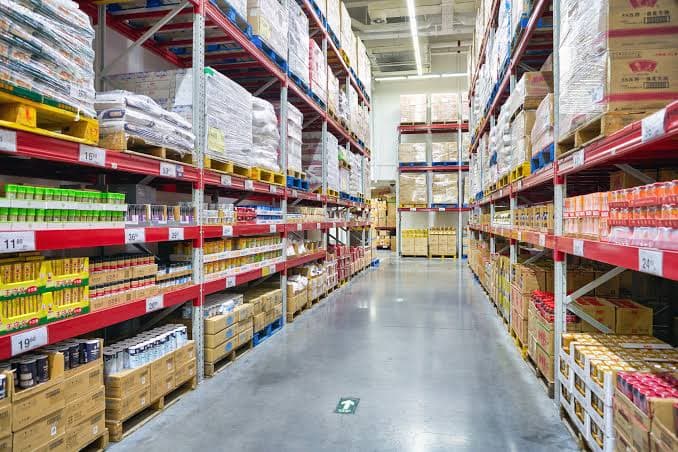
Running a supermarket in Nigeria involves more than stocking shelves and attending to customers. Every day, supermarket owners have to manage hundreds or even thousands of products, monitor stock levels, track sales, deal with suppliers, monitor expiry dates, and ensure that popular products are always available.
With so many products moving in and out of the store, keeping track of inventory can quickly become difficult. A supermarket might run out of a popular product without realising it, purchase too much of a slow-moving item, or discover that some products have expired before they could be sold.
These problems might seem like ordinary challenges of running a supermarket, but they can have a significant impact on profitability.
Poor inventory management can lead to unnecessary expenses, lost sales, damaged products, and money tied up in stock that is not moving. Even a supermarket with strong daily sales can struggle financially if its inventory is not properly managed.
This is why effective supermarket stock management is essential.
Whether you operate a small neighbourhood supermarket, a medium-sized grocery store, or a larger retail outlet, having a reliable system for tracking your inventory can make running your business significantly easier.
In this guide, we will explain how inventory management works for supermarkets in Nigeria, the common stock management challenges supermarket owners face, and how you can use supermarket inventory software to manage your products more efficiently.
What Is Inventory Management in a Supermarket?
Inventory management is the process of tracking, organising, and controlling the products a supermarket purchases, stores, and sells.
It involves keeping accurate records of the products available in your store, monitoring how quickly they sell, knowing when to restock, and ensuring that the quantity recorded in your inventory matches the actual quantity on your shelves and in your storage area.
For a supermarket, inventory management covers almost every product category, including:
- Food items such as rice, pasta, noodles, flour, and cereals.
- Beverages such as bottled water, soft drinks, juice, and energy drinks.
- Household products such as detergents, soaps, disinfectants, and cleaning supplies.
- Personal care products such as toothpaste, body creams, deodorants, and skincare products.
- Frozen foods such as chicken, fish, meat, and other frozen products.
- Snacks, confectioneries, biscuits, and other packaged foods.
- Baby products such as diapers, wipes, and baby food.
Each product has its own purchasing cost, selling price, stock quantity, and sales pattern.
For example, bottled water might sell several times a day, while a particular household cleaning product might take several weeks to sell out. Some products also have expiry dates, making it important to monitor how long they have been sitting in storage.
Proper supermarket stock management ensures that you know what you have, what you need to buy, what is selling, and what is costing your business money.
Why Is Inventory Management Important for Supermarkets in Nigeria?
Inventory is one of the biggest investments a supermarket makes. Every product sitting on your shelves represents money that your business has spent and expects to recover through sales.
When inventory is poorly managed, that investment can quickly become a source of financial problems.
Here are some reasons why inventory management is particularly important for supermarkets in Nigeria.
1. It Helps Prevent Stockouts
Imagine a customer walks into your supermarket looking for a particular brand of cooking oil, only to discover that you have run out.
They might purchase an alternative, but there is also a good chance they will visit another supermarket.
Now imagine this happening repeatedly with products that your customers buy regularly.
Every time a customer cannot find a product they need, your supermarket risks losing a sale.
Stockouts often happen because supermarket owners do not have accurate information about their remaining stock. They might assume that there are still enough products available when the actual quantity is much lower.
With proper inventory management, you can monitor stock levels and identify products that are running low before they run out completely.
This allows you to restock at the right time and keep important products available for customers.
2. It Prevents Overstocking
Running out of products is a problem, but buying too much stock can be equally damaging.
Supermarket owners sometimes purchase large quantities of products because they want to take advantage of supplier discounts, prepare for increased demand, or avoid frequent trips to the market.
However, purchasing more products than your supermarket can reasonably sell creates several problems.
First, your money becomes tied up in inventory instead of being available for other business expenses.
Second, products that are not selling quickly take up valuable storage and shelf space.
Third, products with expiry dates might become unsellable before you can recover your investment.
Good inventory management helps you understand which products sell quickly and which ones move slowly. This makes it easier to determine how much stock to purchase instead of relying entirely on assumptions.
3. It Helps Reduce Expired and Damaged Products
Expiry management is especially important for supermarkets that sell food, beverages, dairy products, frozen foods, and other perishable items.
A product that expires before it is sold represents money that your supermarket may never recover.
The problem becomes worse when you have large quantities of products with different expiry dates and no reliable way to monitor them.
For example, if you purchase 50 cartons of yoghurt from a supplier, you need to know how quickly they are selling and when the remaining cartons will expire.
Without proper records, products can remain at the back of storage shelves while newer stock is placed in front.
One way to reduce this problem is to practise the First In, First Out (FIFO) method. This means selling older inventory before newer inventory, provided the products are still safe and within their expiry dates.
You should also inspect incoming stock, organise products according to expiry dates, and regularly check items that are approaching expiration.
4. It Helps You Understand Your Business Profitability
One of the biggest mistakes supermarket owners make is confusing sales revenue with profit.
A supermarket might generate ₦500,000 in sales in a day, but that does not mean the business made ₦500,000 in profit.
You still have to account for the cost of the products sold, salaries, rent, electricity, transportation, packaging, and other operating expenses.
Inventory records play an important role in calculating your actual profit because they help you determine how much the products you sold originally cost your business.
For example, if you sell a carton of beverages for ₦25,000 and purchased it for ₦21,000, your gross profit on that carton is ₦4,000.
However, if your purchase cost is inaccurate or your stock records are incomplete, your profit calculations will also be inaccurate.
Proper inventory management gives you more reliable information about your cost of goods sold, gross profit, and overall business performance.
5. It Helps Prevent Stock Theft and Unexplained Losses
Supermarkets handle a large volume of products, and not every stock shortage is caused by sales.
Products can go missing because of theft, damaged goods, incorrect stock entries, supplier discrepancies, or mistakes made during checkout.
For example, your inventory records might show that you have 20 units of a particular product, but a physical stock count reveals that only 16 units are available.
Where did the remaining four units go?
Without proper records, identifying the cause can be difficult.
A good inventory management process helps you compare recorded stock quantities with actual stock levels and investigate discrepancies before they become larger problems.
This is particularly important for supermarkets with multiple employees handling sales, receiving deliveries, and managing stock.
Common Inventory Management Challenges Faced by Supermarkets in Nigeria
Although inventory management is important, many supermarket owners still rely on manual processes that make it difficult to maintain accurate stock records.
Some of the most common challenges include:
1. Tracking Hundreds of Different Products
Unlike businesses that sell only a handful of products, supermarkets typically deal with a large and constantly changing inventory.
You might stock several brands of rice, different sizes of beverages, multiple detergent variants, and dozens of other product categories.
Each product needs to be tracked separately.
Trying to manage all these items using notebooks or basic spreadsheets can become overwhelming, especially as the supermarket grows.
It becomes increasingly difficult to remember which products are running low, which ones have been restocked, and how much inventory is currently available.
2. Inaccurate Stock Records
Manual stock management leaves plenty of room for mistakes.
An employee might forget to record a sale, enter the wrong product quantity, or make an error when recording a supplier delivery.
These small mistakes can accumulate over time, causing your stock records to become increasingly unreliable.
Eventually, you might discover that the quantities in your records no longer match the products physically available in your supermarket.
3. Difficulty Monitoring Fast-Moving and Slow-Moving Products
Not every product in your supermarket sells at the same rate.
Some products might sell out within a few days, while others could remain on your shelves for months.
If you do not monitor product performance, you might continue purchasing items that are barely selling while neglecting products that customers regularly demand.
This creates an imbalance in your inventory and can negatively affect cash flow.
4. Managing Supplier Deliveries and Purchases
Supermarkets regularly purchase products from different suppliers, distributors, and wholesalers.
Keeping track of what was purchased, how much was paid, and how many units were delivered is important for maintaining accurate inventory records.
For example, you might order 30 cartons of a product but receive only 28.
If nobody checks the delivery properly, your records could show that you received more stock than you actually have.
Maintaining proper purchase records makes it easier to identify discrepancies and keep track of your inventory costs.
5. Managing Inventory Across Multiple Employees
In many supermarkets, different employees are responsible for different activities.
One person might handle checkout, another might receive supplier deliveries, while someone else manages the store's shelves and storage area.
When these activities are not properly coordinated, inventory records can become inconsistent.
For example, a product might be removed from storage to restock the shelves without anyone updating the stock records.
Having a centralised inventory management system helps ensure that everyone works with the same information.
7 Practical Ways to Improve Inventory Management in Your Supermarket
You do not need to completely transform your supermarket overnight to improve inventory management.
There are practical steps you can introduce gradually to gain better control over your stock.
1. Create a Record for Every Product
The first step towards effective supermarket stock management is knowing exactly what products your business carries.
Every product should have a record containing important information such as:
- Product name.
- Product category.
- Stock quantity.
- Purchase cost.
- Selling price.
- SKU or barcode, where applicable.
- Supplier information.
- Expiry date, where relevant.
For example, instead of recording a product simply as "Coca-Cola", you should distinguish between the different sizes and packaging options you sell.
A 50cl bottle and a 1.5-litre bottle are different inventory items and should have separate stock records.
This makes it easier to track sales, monitor stock levels, and calculate the cost and profitability of individual products.
2. Monitor Your Stock Levels Regularly
Do not wait until customers start complaining about unavailable products before checking your inventory.
Make stock monitoring a regular part of your supermarket's operations.
Pay particular attention to products that sell quickly and those that customers purchase frequently.
You can also establish minimum stock levels for important products.
For example, if your supermarket usually sells 10 cartons of bottled water every week, you might decide that your stock should never fall below five cartons before you arrange another purchase.
The exact minimum quantity will depend on your sales volume, supplier delivery time, and available storage space.
The goal is to identify products that need restocking early enough to avoid stockouts.
3. Categorise Your Inventory
Organising products into categories makes inventory management much easier.
Instead of treating every product as part of one large inventory, group similar products together.
For example, you could organise your supermarket inventory into:
- Groceries and food items.
- Beverages.
- Snacks and confectioneries.
- Household supplies.
- Personal care products.
- Frozen foods.
- Baby products.
- Toiletries.
You can create additional subcategories where necessary.
This makes it easier to locate products, analyse sales performance, and identify which sections of your supermarket require more attention.
It also makes reporting more useful because you can understand how different product categories contribute to your overall sales.
4. Track Product Purchases and Restocking
Every time you purchase new inventory, ensure that the quantities received are properly recorded.
Do not rely on memory or assume that your stock records will somehow remain accurate.
For every delivery, check that the products and quantities match what you ordered.
Record the new stock quantities, update product costs where necessary, and keep track of the amount spent on each purchase.
This is particularly important when purchasing from multiple suppliers because product prices can change over time.
Having accurate purchase records also helps you understand how much money your supermarket is spending on inventory.
5. Conduct Regular Physical Stock Counts
Even if you have a good inventory management system, you should still physically count your products from time to time.
A physical stock count involves checking the actual quantities available in your supermarket and comparing them with the quantities recorded in your inventory records.
For example, your system might show that you have 45 units of a particular product, but a physical count reveals that only 41 units are available.
That difference needs to be investigated.
You should establish a stock-counting schedule based on your supermarket's size and the rate at which products move.
High-value and fast-moving products may require more frequent checks, while other products can be counted less frequently.
Physical stock counts help identify missing products, recording errors, damaged goods, and other inventory discrepancies.
6. Identify Your Best-Selling Products
One of the most useful things you can learn from your inventory records is which products contribute the most to your supermarket's sales.
Some products might sell consistently every day, while others contribute very little despite occupying valuable shelf space.
Pay attention to:
- Products with the highest sales quantities.
- Products generating the most sales revenue.
- Products with strong profit margins.
- Products that sell slowly.
- Products that frequently run out of stock.
This information can help you make better purchasing decisions.
For instance, if a particular brand of rice consistently sells faster than other brands, you might want to prioritise restocking it.
On the other hand, if a product has been sitting on your shelves for several months, you may need to reconsider how much of it you purchase.
The objective is to stock products based on actual customer demand rather than guesswork.
7. Use Inventory Management Software
As your supermarket grows, manually tracking every purchase, sale, and stock adjustment becomes increasingly difficult.
This is where inventory management software becomes useful.
Instead of relying on notebooks or updating spreadsheets after every transaction, you can use software to maintain organised inventory records and monitor stock movements.
The right supermarket inventory software can help you:
- Record products and their selling prices.
- Track available stock quantities.
- Monitor purchases and stock replenishment.
- Automatically update inventory when sales are recorded.
- Identify products that are running low.
- Monitor product costs and selling prices.
- Track sales and business expenses.
- Generate reports to understand business performance.
Rather than spending hours trying to reconcile stock records, you can access important inventory information from one place.
For supermarkets handling hundreds or thousands of products, this can make a significant difference.
What Is Supermarket Inventory Software?
Supermarket inventory software is a digital tool that helps supermarket owners manage products, monitor stock quantities, track sales, and organise purchasing activities.
Instead of manually recording every product movement, the software provides a centralised system for maintaining inventory records.
For example, when you record a sale of five units of a particular product, an inventory system can automatically deduct those five units from the available stock quantity.
If you purchase another 20 units, you can record the new stock received and update your inventory accordingly.
This makes it easier to maintain accurate stock records without manually recalculating product quantities after every transaction.
Some inventory management solutions also provide additional features such as low-stock alerts, barcode scanning, supplier management, purchase order tracking, and expiry-date monitoring.
However, not every inventory management tool offers all these features.
When choosing software for your supermarket, it is important to understand which features are available and whether they match the way your business operates.
Important Features to Look for in Supermarket Inventory Software
There are several features worth considering when choosing inventory management software for a supermarket in Nigeria.
1. Real-Time Stock Tracking
This is one of the most important features to look for.
Your software should make it easy to see how many units of each product are currently available.
Ideally, inventory quantities should update automatically whenever sales or stock additions are recorded.
This reduces the need for manual updates and makes it easier to identify products that are running low.
2. Low-Stock Alerts
A low-stock alert notifies you when a product's quantity falls below a specified level.
For example, you might set a minimum stock quantity of five units for a particular product.
When the available quantity reaches that level, the system alerts you so you can arrange another purchase.
This is especially useful for supermarkets that stock many different products because it reduces the need to constantly check every item manually.
3. Sales and Inventory Integration
Your inventory management system should ideally work alongside your sales records.
When a product is sold, its quantity should be deducted from your available stock.
This creates a connection between what your supermarket sells and what remains in inventory.
Without this integration, you might have to update your sales and stock records separately, increasing the chances of mistakes.
4. Product Cost and Selling Price Tracking
Knowing how much you purchase products for and how much you sell them for is essential for understanding profitability.
Your software should allow you to record product purchase costs and selling prices.
This makes it easier to calculate the difference between what you spend on inventory and the revenue generated when those products are sold.
It also helps you identify products with low profit margins and review your pricing decisions when supplier costs increase.
5. Inventory and Sales Reports
Good reporting features help you move beyond simply knowing how many products you have.
You should be able to understand which products sell the most, how much revenue your supermarket generates, and how your inventory contributes to your overall business performance.
These insights can help you make more informed purchasing and pricing decisions.
6. Easy-to-Use Interface
A supermarket can have several employees involved in sales and inventory management.
If your software is complicated, employees might struggle to use it consistently, which defeats the purpose of having a digital system.
Look for software that makes it easy to add products, record sales, update stock quantities, and access reports.
It should simplify your operations rather than introduce another complicated process.
7. Affordability
Your inventory management software should make financial sense for your supermarket.
Consider the subscription cost, available features, number of users, and whether you need additional equipment or integrations.
You do not necessarily need the most expensive software available.
What matters is finding a solution that addresses your supermarket's actual inventory management problems without creating unnecessary expenses.
Manual Inventory Management vs Supermarket Inventory Software
Many Nigerian supermarket owners start by managing inventory with notebooks, calculators, or spreadsheets.
These methods can work when you have a small number of products and relatively few daily transactions.
However, as your supermarket expands, the limitations become more noticeable.
With manual inventory management, you generally have to record purchases, update stock quantities, monitor sales, and calculate inventory balances yourself.
Every additional product and transaction increases the amount of work involved.
There is also the risk of forgetting to update records, entering incorrect quantities, or losing important information.
Supermarket inventory software makes these processes more organised.
Product information is stored digitally, inventory records can be updated when sales are recorded, and you can access important information without searching through notebooks or multiple spreadsheets.
This does not mean software eliminates every inventory problem. You still need to record transactions correctly, monitor incoming deliveries, and conduct physical stock counts.
However, it significantly reduces the amount of manual work required to manage your supermarket's inventory.
For a growing supermarket, moving from manual records to inventory management software can be an important step towards running a more organised business.
How to Calculate the Value of Your Supermarket Inventory
Knowing how much inventory your supermarket currently holds is important for understanding the financial position of your business.
One straightforward way to calculate inventory value is to multiply the quantity of each product available by its purchase cost.
For example, imagine your supermarket has:
- 20 bags of rice purchased at ₦45,000 each.
- 30 cartons of beverages purchased at ₦12,000 each.
- 15 cartons